Are you trying to decide whether a condo or townhome in Old Town Alexandria fits the way you actually want to live? It is easy to focus on charm, walkability, and architecture here, but the real differences often show up in ownership rules, parking, maintenance, and historic-district requirements. If you want a clearer picture of what daily life and due diligence really look like, this guide will help you compare attached-home options with more confidence. Let’s dive in.
Old Town housing has real variety
Old Town Alexandria is not a one-note neighborhood of interchangeable attached homes. The City of Alexandria notes that much of Old Town is included in a National Register Historic District, and Old & Historic Alexandria is one of only two local historic districts regulated by the Board of Architectural Review.
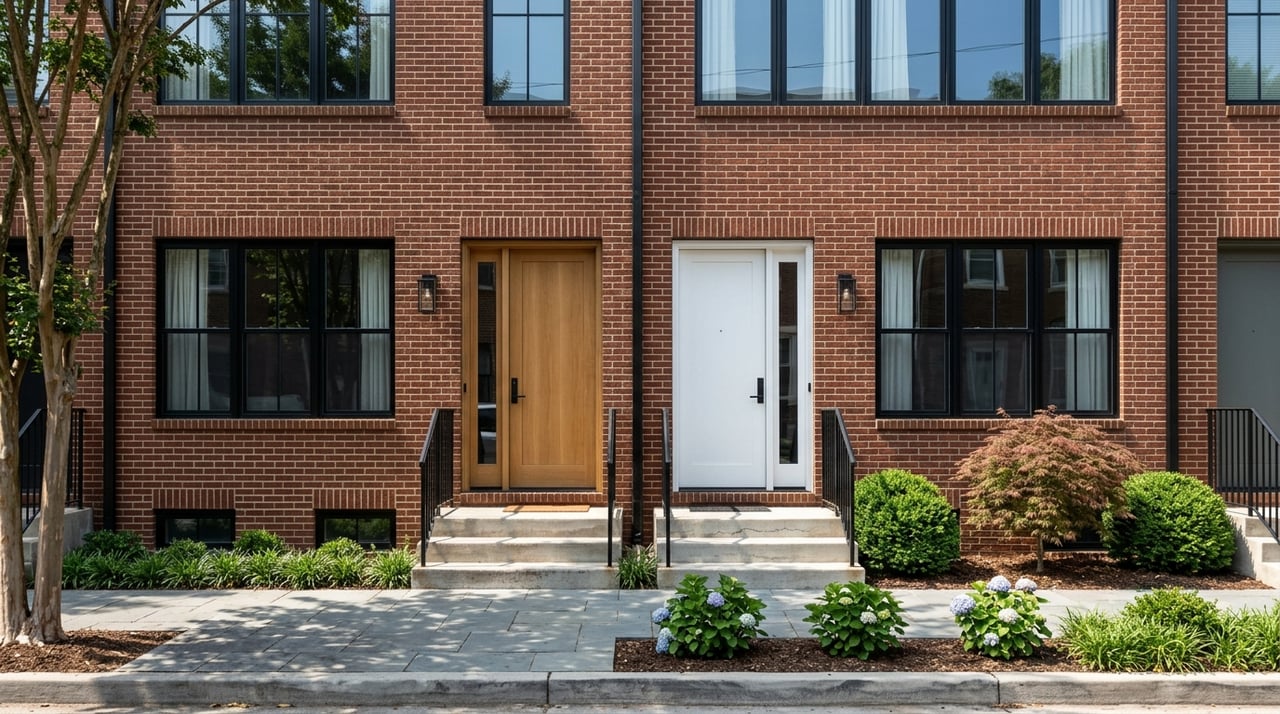
That matters because many homes here sit within a setting shaped by preservation rules, established blocks, and townhouse-scale development. City zoning materials also point to a high concentration of townhouses and townhouse-like buildings in Alexandria, especially in RM and RB zoning, which helps explain why Old Town often feels like a mix of historic rowhouses, attached homes, and condo buildings rather than one standard product.
Condo vs townhome ownership
What you usually own in a condo
In Virginia, a condominium unit is a separate parcel of real estate. The unit owners’ association generally handles maintenance, repair, renovation, restoration, and replacement of common elements, while you as the owner are typically responsible for your unit or the part of the unit affected, unless the issue originates in the common elements.
Virginia law also requires condo associations to conduct a reserve study at least every five years and to review and budget for reserves. For you as a buyer, that makes the association’s financial planning an important part of the ownership picture, not just a background detail.
What you usually own in a townhome
A townhome can look similar from the street, but the ownership structure may be very different. In a property owners’ association, the split between what you maintain and what the association maintains is governed by the declaration and other governing documents.
That means you should not assume the HOA covers exterior maintenance, roofing, or other shared components unless the documents clearly say so. Two homes that look nearly identical in Old Town can come with very different responsibilities once you read the paperwork.
Why the documents matter more than labels
In Old Town, the better question is often not “condo or townhome?” but “what exactly does this association own, maintain, and fund?” Condo amenities and services are association-specific, not neighborhood-wide.
The practical answer usually lives in the declaration, budget, reserve study, and resale documents. That is where you see whether the community funds common repairs, how reserves are handled, and what obligations will become yours after closing.
Historic district rules can affect plans
Exterior changes may need approval
If the property is in Old & Historic Alexandria, exterior changes can involve another layer of review. The City says new construction and exterior alterations visible from a public right-of-way require a Certificate of Appropriateness, while interior work does not require Board of Architectural Review approval.
That is especially important if you are buying with plans to change windows, doors, railings, roofing details, or other visible exterior features. A home can be a great fit, but your renovation timeline and scope may depend on what approvals are required.
Interior work is treated differently
The good news for many buyers is that interior work does not trigger that same historic review. If your priorities center on kitchen updates, bath renovations, or interior layout improvements, the rules are different from what you would face with visible exterior changes.
Still, it is wise to confirm the property’s historic status early. In Old Town, long-term enjoyment often comes from understanding both the home itself and the framework around it.
Parking shapes daily life
Street parking has limits
Parking in Old Town is a lifestyle topic, but it is also a due diligence topic. The City says on-street parking includes meters and free spaces with posted time limits, meter parking is limited to two hours, and meter feeding is prohibited.
Some residential blocks also use higher hourly residential pay-by-phone pricing for nonresidents. If you expect frequent street parking for yourself or guests, those details can affect your day-to-day routine more than you might think.
Permit parking has rules
Alexandria created residential permit parking districts because of parking demand, especially in Old Town and near Metro stations. Only full-time residents within a permit district are eligible for permits, and permits do not override meters, other posted restrictions, or the 72-hour continuous-parking rule.
The City also offers guest and visitor permits for short stays, but they are district-specific and time-limited. So if you are comparing two homes a few blocks apart, your practical parking experience may differ quite a bit.
Assigned spaces need verification
For condos and townhomes in common interest communities, parking should be verified in writing before closing. Virginia’s resale-certificate form must disclose parking or vehicle restrictions, which makes this more than a casual question during a showing.
You will want to confirm items such as:
- Assigned parking spaces
- Guest parking rules
- Street permit eligibility
- Vehicle restrictions
- Any block-specific limitations
Trash and access matter too
Old Town logistics go beyond where you park your car. The City says most Old Town neighborhoods use alley collection, and some Old Town or limited-access townhome locations may not be able to use the standard 64-gallon cart.
The City also notes that condominium complexes are not required users of City trash service, though they may participate at the City’s discretion. That means pickup methods and routines can vary depending on the property and building setup.
Walkability is part of the appeal
One reason many buyers love Old Town is that it is intentionally pedestrian-oriented. The City’s wayfinding system places pedestrian kiosks along King Street, Cameron Street, and the Waterfront, and the City encourages biking, walking, or using Metrorail, the King Street Trolley, or DASH.
If your goal is a lower-car lifestyle or easier access to shops, restaurants, and the waterfront, that can be a meaningful advantage. But it still makes sense to balance walkability with the real parking, access, and service rules tied to a specific address.
What to review before making an offer
Start with the resale certificate
For condo and townhome buyers in Virginia, the resale certificate is one of the most important diligence documents in the transaction. Under Virginia’s Resale Disclosure Act, the seller must obtain and deliver it, and the resale contract must disclose that the property is in a common interest community and that you have cancellation rights tied to those disclosures.
If the required contract language is missing, the purchaser’s sole remedy is to cancel before settlement. That makes proper contract handling important from the beginning.
Look for the practical differences
The resale certificate can include a long list of useful information, including governing documents, assessments, fees, special assessments, capital plans, reserves, the current budget, reserve study, insurance, pending lawsuits or code violations, board minutes, parking rules, rental limits, and sign restrictions.
For attached homes in Old Town, this is often where the real differences appear. Two properties may have similar square footage and similar curb appeal, but very different monthly costs, future obligations, and community rules.
Compare obligations, not just finishes
When you are weighing options, try to compare the ownership experience as carefully as you compare kitchens and outdoor space. A lower-fee property may leave you with more direct maintenance responsibility, while a higher-fee property may fund more shared services or stronger reserves.
The goal is not to find a universally “better” model. It is to find the one that best matches your priorities, budget, and comfort with maintenance, rules, and future planning.
A smart Old Town buying approach
In Old Town Alexandria, condo and townhome living can both be appealing, but neither should be treated as a shortcut category. The smarter approach is to look closely at the deed, association documents, parking rules, and any historic-district restrictions that apply to the specific property you are considering.
That kind of detail matters here because Old Town is layered, distinctive, and highly location-specific. If you want help comparing attached-home options, reviewing the practical tradeoffs, and moving forward with clarity, Dawn Wilson Real Estate Professional offers the legally informed, concierge-level guidance that can make the process feel much more manageable.
FAQs
What is the difference between condo and townhome ownership in Old Town Alexandria?
- In general, a condo owner owns a unit, while the association usually maintains common elements. A townhome owner’s maintenance responsibilities depend on the property’s declaration and governing documents, so you should verify what the HOA actually covers.
What should buyers review before buying a condo or townhome in Old Town Alexandria?
- You should review the resale certificate, governing documents, budget, reserve study, assessments, parking rules, insurance information, and any disclosed restrictions or pending issues before closing.
What are parking rules like for Old Town Alexandria condos and townhomes?
- Parking can include meters, posted time limits, permit districts, and property-specific restrictions. Buyers should confirm assigned spaces, guest parking, permit eligibility, and any vehicle rules in the resale documents.
What historic district rules affect Old Town Alexandria homes?
- In Old & Historic Alexandria, new construction and exterior alterations visible from a public right-of-way require a Certificate of Appropriateness. Interior work does not require Board of Architectural Review approval.
Are trash collection services the same for all Old Town Alexandria properties?
- No. Most Old Town neighborhoods use alley collection, some limited-access townhome locations may not use the standard cart, and condominium complexes are not required users of City trash service.
Is walkability a major benefit of living in Old Town Alexandria?
- Yes. Old Town is designed to support walking and also offers access to biking, Metrorail, the King Street Trolley, and DASH, which can make daily errands and outings easier depending on your location.