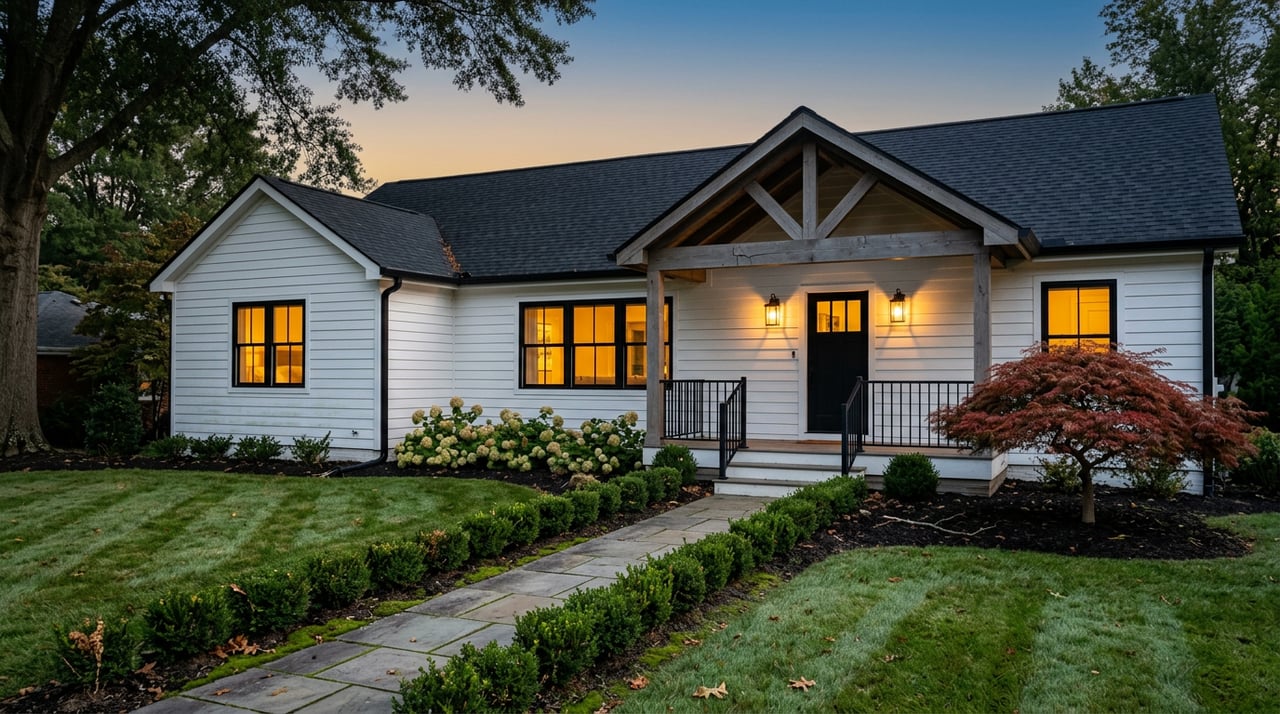
Wondering if downsizing in Fairfax City could make your next chapter simpler without pulling you too far from the Northern Virginia lifestyle you know? If you are ready to trade extra space and upkeep for convenience, lower-maintenance living, or easier daily routines, Fairfax City offers a mix of housing options and local support worth a close look. Here is what you should know about costs, home types, timing, and move-planning before you make a decision. Let’s dive in.
Why Fairfax City Works for Downsizers
Fairfax City stands out as a smaller, established community with a high share of homeowners. According to the latest Census QuickFacts for Fairfax City, the city has a population of 26,340, an owner-occupied housing rate of 69.9%, and a median owner-occupied home value of $722,600.
That profile can matter when you are downsizing. It suggests you are not moving into a place defined by just one type of housing or one stage of life. Instead, you are looking at a city with a stable residential base, a range of home types, and a meaningful share of older residents, with 14.1% of the population age 65 and over.
Another key advantage is variety. The city’s Fact Book shows existing housing is made up of 47.0% apartments or multifamily, 36.2% detached homes, 13.5% townhouses, and 3.2% duplexes. For you, that means Fairfax City can support several versions of downsizing, whether you want a condo with less exterior maintenance, a townhome that still gives you multiple levels, or a smaller detached home.
Choosing the Right Home Type
Downsizing is not only about buying less square footage. It is about finding the right balance between comfort, maintenance, and monthly carrying costs.
Condos for Lower Upkeep
If your goal is to reduce day-to-day responsibilities, condos may be the most natural place to start. Based on Fairfax City’s 2026 assessment data, the average assessed value for condominiums is $367,000, which places them at the lower end of the city’s current assessed-value range.
That does not automatically mean every condo is the best fit for you. It does suggest, however, that condos may offer a more accessible entry point if you want to cut maintenance and potentially reduce the total cost of ownership compared with larger property types.
Townhomes and Attached Homes for Balance
Some homeowners want less work, but do not want to give up too much space all at once. In Fairfax City’s assessment data, attached homes average $686,800 and townhomes average $767,200.
That middle tier can make sense if you want a compromise between simplicity and space. You may still have multiple floors or a smaller outdoor area, but often with less upkeep than a detached property.
Detached Homes for Selective Right-Sizing
Not every downsizer wants condo living. You may still want a detached home for privacy, storage, a home office, or space for regular guests.
Fairfax City reports an average assessed value of $825,700 for detached homes. If you want to stay detached, downsizing may be less about moving to the lowest-maintenance option and more about choosing a home with a better layout, less unused space, or a more manageable lot.
What Fairfax City Costs Look Like
Price matters, but so does the pace of the market. If you are selling one home and buying another, both pieces need to work together.
In February 2026, Fairfax City homes had a median sale price of $719,950 and averaged 20 days on market, according to the latest Fairfax City housing market snapshot. About 43.8% sold above list price, and the sale-to-list ratio was 100.4%.
For you, that means preparation is important. If the right downsizing property comes on the market, you may need to move quickly with financing, timing, and decision-making already organized.
Fairfax City vs. Falls Church and Arlington
Fairfax City is often part of a broader Northern Virginia downsizing conversation. You may also be comparing it with Falls Church or Arlington.
Falls Church posted a median sale price of $847,375 in February 2026 and averaged 34 days on market, based on the latest Falls Church market data. Arlington, by comparison, had a median sale price of $697,500 and averaged 37 days on market, according to the research provided.
That places Fairfax City in an interesting middle position. It is less expensive than Falls Church on this snapshot, somewhat above Arlington’s median sale price, and faster-moving than both by days on market.
| Location | Median Sale Price | Average Days on Market |
|---|---|---|
| Fairfax City | $719,950 | 20 |
| Falls Church | $847,375 | 34 |
| Arlington | $697,500 | 37 |
This does not make one area better than another. It simply gives you a practical frame for comparing speed, price, and the kind of move you are trying to make.
Taxes and Carrying Costs Matter
When you downsize, monthly and annual ownership costs often matter more than headline price alone. Fairfax City’s FY2026 real estate tax rate is $1.055 per $100 of assessed value, according to the city’s FY2026 revenue overview.
The city also lists a personal property tax rate of $4.13 per $100 of assessed value and a $33 annual vehicle registration fee. If you are keeping one or more vehicles, that remains part of your ongoing cost picture.
For context, Falls Church’s latest adopted real estate tax rate is $1.185 per $100, based on the city’s real estate tax history. Arlington County’s adopted CY2025 real estate tax rate is $1.033 per $100, according to the research provided.
The most useful takeaway is simple: compare the full cost of ownership, not just list price. Property taxes, vehicle taxes, insurance, HOA or condo fees, and maintenance all shape whether a move will truly simplify your finances.
Local Support for Aging in Place
One reason Fairfax City can appeal to downsizers is that support is not limited to housing inventory. The city also offers programs and services that may help you stay independent and connected.
The city’s Fairfax Village in the City supports residents 55+ and adults with disabilities. Fairfax City and Fairfax County residents can also use the Young at Heart Senior Center, and the fare-free CUE bus system connects riders to George Mason University, the Vienna/Fairfax-GMU Metro station, Old Town, parks, and other local destinations.
Eligible residents may also be able to use City Wheels curb-to-curb transportation. If your downsizing goal includes driving less, simplifying errands, or planning ahead for future mobility needs, these services are worth reviewing early.
Tax Relief Programs to Review
If you are age 55+ or planning for retirement, it is smart to look at local relief programs while comparing options. Fairfax City’s tax and rent relief program is available to eligible residents on a year-to-year basis and is subject to income and net-worth limits.
The program includes a $440,000 net-worth cap, excluding the home and one acre of land, and a combined gross family income cap of $90,000. It also uses a sliding scale, which can be more useful than an all-or-nothing structure if you are trying to manage ongoing housing costs carefully.
This is one more reason to think beyond square footage. A smaller or easier home can help, but the right tax structure and support programs may also shape which move feels sustainable over time.
How to Time the Sale and Purchase
For many homeowners, the hardest part of downsizing is not choosing the next home. It is coordinating the sale of the current one with the purchase of the next.
The Consumer Financial Protection Bureau recommends budgeting carefully before you buy and notes that closing costs typically run 2% to 5% of the purchase price. The CFPB also recommends using financing and inspection contingencies so you are not locked into a purchase if financing changes or an inspection reveals a serious issue.
The National Association of Realtors also explains in its consumer guide to real estate contract contingencies that a home-sale contingency can give you time to close on your current home before buying the next one. A rent-back clause may also help if you need extra time to move after closing.
In a market moving as quickly as Fairfax City, these tools can reduce stress. They do not eliminate the need for strong planning, but they can give you more control over timing.
A Practical Downsizing Checklist
If you are seriously considering a move to Fairfax City, start with a clear planning process.
- Define your downsizing goal: lower upkeep, lower cost, easier mobility, or a better layout
- Compare home types based on maintenance, taxes, and likely monthly expenses
- Review your budget, including closing costs that may run 2% to 5% of the purchase price
- Get financing or proof of funds lined up before touring seriously
- Discuss contingencies that may help coordinate your sale and purchase
- Research local support programs such as Fairfax Village, CUE, City Wheels, and tax relief options
- Plan early if your current home needs repairs before listing
If your current property needs a few updates before it goes on the market, Fairfax City notes that residents may be eligible for county assistance through the Home Repair for the Elderly Program information page. For some households, that can help with small pre-sale safety or repair items.
Final Thoughts on Downsizing in Fairfax City
Downsizing to Fairfax City can make sense if you want a more manageable home while staying connected to Northern Virginia amenities, transportation, and local services. The city offers a real mix of housing choices, a relatively fast-moving market, and practical support for residents who want simpler daily living.
The key is to treat downsizing as a full financial and lifestyle decision, not just a square-footage decision. When you compare home type, carrying costs, tax structure, timing, and local support together, you are much more likely to make a move that feels right now and works well later.
If you are weighing a downsizing move in Fairfax City and want steady, detail-oriented guidance, Dawn Wilson Real Estate Professional can help you evaluate timing, costs, and the best strategy for selling and buying with confidence.
FAQs
What home type in Fairfax City is often the best fit for downsizers?
- Condos and townhomes are often the most practical downsizing options in Fairfax City because they can offer less maintenance than detached homes while still keeping you close to local amenities and services.
How fast is the Fairfax City housing market for downsizers?
- Fairfax City homes averaged 20 days on market in February 2026, which means you should be financially and logistically prepared before you begin touring seriously.
What are Fairfax City real estate taxes for homeowners?
- Fairfax City’s FY2026 real estate tax rate is $1.055 per $100 of assessed value, and homeowners who keep vehicles should also account for personal property taxes and the city’s annual vehicle registration fee.
What support programs are available for older adults in Fairfax City?
- Fairfax City offers access to Fairfax Village in the City, the Young at Heart Senior Center, the fare-free CUE bus system, City Wheels for eligible residents, and a tax and rent relief program for qualifying households.
How can you coordinate selling your current home and buying in Fairfax City?
- Common tools include financing and inspection contingencies, a home-sale contingency, and a rent-back agreement, all of which can help create more flexibility between your sale and purchase timelines.