Eyeing a Fairfax townhome but unsure where to start? You are not alone. With a wide mix of layouts, HOA structures, and two different local tax jurisdictions, it helps to go in with a clear checklist and a trusted process. In this guide, you will learn how townhomes here are structured legally, what costs to expect, how financing can differ, and which records to review before you write an offer. Let’s dive in.
What counts as a Fairfax townhome
In Fairfax, “townhome” usually means a multi-level attached home. The key is the legal form. Some townhomes are fee-simple, where you own the land and the structure. Others are legally condominium units, where the association owns or maintains more of the exterior and common elements.
Why this matters: maintenance, insurance, and lending can work differently by legal form. The Virginia Condominium Act explains the condo structure and responsibilities in detail. You can review the statute here: Virginia Condominium Act.
Typical layouts and sizes
Most Fairfax townhomes have 2 to 4 finished levels. You will often see an entry or garage level, a main living level with kitchen and family space, bedrooms on the upper level, and sometimes a finished lower level or a roof deck. Square footage often ranges from about 1,400 square feet to more than 2,700 square feet, with larger end units or newer builds on the upper end.
Newer townhomes built from about 2015 to 2025 often feature open kitchens, tall ceilings, and rooftop terraces. Older 1980s to 2000s brick row styles may offer larger rooms and established landscaping.
Parking and on-site amenities
Parking setups in Fairfax townhome communities vary widely:
- Front-entry or rear-entry 1 to 2 car garages.
- Assigned surface spaces, sometimes with guest permits.
- Short driveways that may or may not fit a full-size SUV.
Always check the garage depth, driveway length, guest parking rules, and any posted towing or permit signs. Many communities also provide amenities such as pools, tot-lots, clubhouses, gyms, snow removal, trash pickup, and exterior landscaping. These features typically increase HOA dues, so match the amenities to your lifestyle and budget.
Costs to expect
- Purchase prices. Recent local snapshots show many Fairfax townhomes trading in the mid-to-high 600k to 800k range, with newer three-level builds often listing from the 700s up to about 1.0M depending on location and finishes.
- Real estate taxes. Fairfax County’s advertised base real estate tax rate in FY2026 to FY2027 materials is approximately $1.1225 per $100 of assessed value. You can review current county budget details here: Fairfax County budget documents. The independent City of Fairfax sets a different rate. Always confirm the property’s jurisdiction and the current adopted rate.
- HOA dues. Townhome HOA fees vary widely in Fairfax. Limited-amenity associations can be under $100 per month, while communities with pools, clubhouses, and more robust exterior maintenance often range from roughly $150 to $400 or more per month. Verify the latest budget, reserve levels, and any special assessments through the association’s resale certificate.
HOA rules and Virginia resale disclosures
Associations typically maintain common-area landscaping, amenities, and trash, and they enforce community rules. Exterior responsibilities like roof, siding, decks, and windows depend on whether the home is fee-simple or part of a condo regime. The governing documents will allocate who pays for what.
When you buy in a common-interest community in Virginia, you are entitled to a standardized resale certificate that discloses assessments, budgets, reserves, insurance summaries, litigation, rules, and more. You also receive certain cancellation rights tied to when you receive these documents. Review the law here: Virginia Resale Disclosure Act.
Financing: condo vs fee-simple
Financing can be simpler for fee-simple townhomes because the loan focuses on the property rather than a condo project. If the townhome is legally a condominium, some loan types may require project-level approval. FHA and VA loans, and certain agency-backed loans, often need a condo project review. If you plan to use one of these programs, confirm the project’s status with your lender early to avoid delays.
How to evaluate a Fairfax townhome community
Public records to review first
- Property and tax records. Pull assessed values, parcel data, and tax details. Start here: Fairfax County Real Estate Assessments.
- GIS and site records. Use county mapping tools to check floodplains, environmental overlays, easements, and recorded site plans: Fairfax County mapping apps.
- Legal form. Confirm fee-simple vs condominium by reviewing recorded deeds and declarations referenced in the title work. For legal definitions, see the Virginia Condominium Act.
- HOA documents. Request the resale certificate, governing documents, rules, budgets, reserve study, recent meeting minutes, insurance summaries, and any notices of special assessments as required by the Resale Disclosure Act.
- Schools. Verify attendance boundaries for the specific address. Boundaries can change during Fairfax County Public Schools reviews, as noted in FCPS update pages such as this boundary review advisory page.
- Commute and transit. Check access to Vienna-Fairfax/GMU and Dunn Loring Metro stations, plus Fairfax Connector and City of Fairfax CUE bus service. Start with Fairfax Connector.
On-site checklist
- Exterior: grading and drainage, roof age and condition, gutters and downspouts, siding or masonry, deck stability and railing safety.
- Parking: garage dimensions, driveway depth, guest parking availability, and posted rules about permits or towing.
- Entry and stairs: step and handrail safety, number of stair runs between levels, elevator presence in condo-style projects.
- Mechanical systems: HVAC age and service tags, water heater age, sump pump operation if present, and any water stains or musty odors.
- Noise and surroundings: sounds from adjacent units, proximity to commercial corridors or busy roads, and transit-related noise.
- Amenities and common areas: condition of pool, clubhouse, landscaping, sidewalks, lighting, and ADA access where relevant.
- HOA presence: bulletin boards, posted rules, trash management, and signage that indicate how actively the HOA enforces standards.
Documents to request before you offer
- Resale certificate, operating budget, latest financials, reserve study, insurance summaries, and minutes from the last 6 to 12 months per the Resale Disclosure Act.
- Detailed rules on rentals, pets, and exterior changes.
- Confirmation from your lender on any condo project approval needs for your loan program.
Fairfax neighborhoods to explore
- Fair Lakes and Willow Oaks at Fair Lakes. Popular for newer construction, modern interiors, and proximity to I-66 and retail. Expect vertical, three to four level plans, often with garages and outdoor terraces.
- Penderbrook, Carriage Park, and Franklin Glen. Established townhome neighborhoods with mature landscaping and community amenities like pools and clubhouses. Homes may back to wooded or conservation areas and can offer a more traditional floor plan.
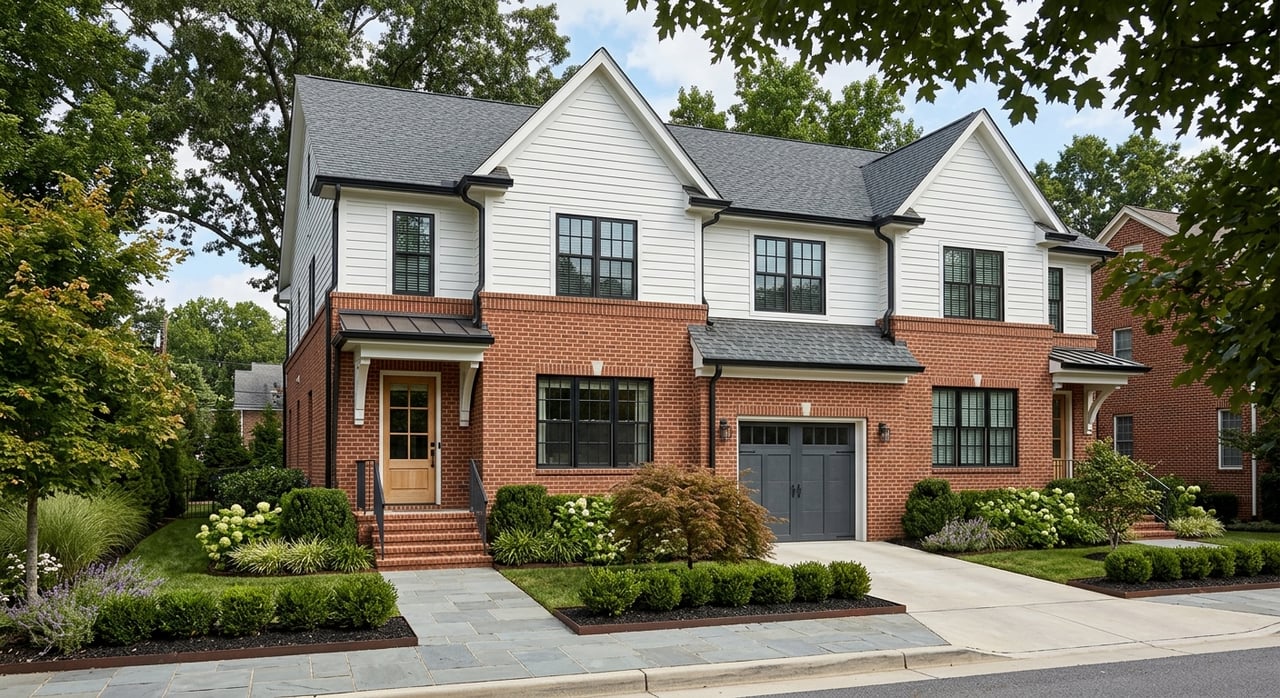
- Old Town area, Mount Vineyard, and Chancery Square in the City of Fairfax. Denser, often brick row styles with walkable access to downtown restaurants and services. A good contrast to suburban Fair Lakes.
City of Fairfax vs Fairfax County
The City of Fairfax is an independent city with its own government and tax structure, even though it sits within the geographic area commonly associated with Fairfax County. Some addresses with a “Fairfax” mailing label are in the County, not the City. This distinction affects tax rates, trash and street services, and some permitting. For background on the county context, see Fairfax County’s overview. Always confirm the property’s actual jurisdiction in public records before estimating carrying costs.
Commute and transit access
If a rail commute matters, look at access to Vienna-Fairfax/GMU and Dunn Loring Metro stations. For bus service, review route and frequency details with Fairfax Connector and the City of Fairfax CUE system. Many townhome communities also offer straightforward access to I-66, Route 50, and the Fairfax County Parkway for drives to Tysons and DC.
Next steps
Choosing the right Fairfax townhome starts with clarity on legal form, HOA responsibilities, taxes, and financing fit. With a strong plan and the right advisor, you can move forward with confidence. If you would like a structured search, document review, and negotiation strategy tailored to your goals, connect with Dawn Wilson Real Estate Professional for a consultation.
FAQs
What is the legal difference between fee-simple and condo townhomes in Virginia?
- Fee-simple owners usually maintain more of the exterior and land, while condo townhome owners are part of a condominium where the association maintains common elements; see the Virginia Condominium Act for definitions and responsibilities.
How much are HOA fees for Fairfax townhomes?
- Fees can range from under $100 per month in limited-amenity HOAs to roughly $150 to $400 or more in communities with pools, clubhouses, and broader maintenance; verify specifics in the association’s resale certificate.
How do Fairfax County real estate taxes affect monthly costs?
- Fairfax County’s advertised base rate in recent budget materials is about $1.1225 per $100 of assessed value, while the independent City of Fairfax sets a different rate; confirm the property’s jurisdiction and check current county details here: Fairfax County budget page.
What should I review before making an offer on a Fairfax townhome?
- Pull county assessments and GIS overlays; confirm fee-simple vs condo in recorded documents; request the resale certificate, budgets, reserves, rules, minutes, and insurance summaries; and align loan type with any condo project approval needs.
How does financing differ for condo townhomes vs fee-simple?
- Fee-simple townhomes are often simpler to finance, while condo townhomes may require project approval for FHA, VA, and some agency loans; ask your lender to confirm project status early in your search.
What parking setups are common in Fairfax townhome communities?
- You will see 1 to 2 car garages, rear-alley garages, assigned surface spaces, and guest permit systems; check garage depth, driveway fit for larger vehicles, and posted guest parking rules before you buy.