Thinking about a move to Arlington and wondering how it actually feels day to day? You want a place that blends urban energy with everyday ease, close to DC but with its own identity. In this guide, you will learn how Arlington’s neighborhoods differ, what commutes look like, and what trade-offs to consider when choosing a home.
Let’s dive in.
Arlington at a glance
Arlington County sits just across the Potomac River from Washington, DC. It is compact in size, highly developed, and one of the region’s key residential and job centers. You will find major landmarks like the Pentagon, Arlington National Cemetery, and the Air Force Memorial shaping both the skyline and local life.
The county’s residents include many young professionals, established households, federal employees and contractors, military families, and private-sector workers. Education levels and incomes are higher than national averages, and housing costs track above most U.S. markets. The result is an urban-suburban mix with vibrant corridors and quieter residential pockets.
Neighborhoods and lifestyle fit
Arlington offers distinct lifestyle zones. Your best fit depends on your priorities for walkability, home type, and budget.
Metro corridor hubs
Rosslyn, Courthouse, Clarendon, and Ballston form a high-density spine known for mid- and high-rise living, offices, retail, and nightlife. Crystal City and Pentagon City, part of the National Landing area, add another cluster with strong transit access and ongoing redevelopment. If you value walkable amenities, a short commute to DC or major Arlington employers, and condo or apartment living, these areas are a strong match.
Residential single-family pockets
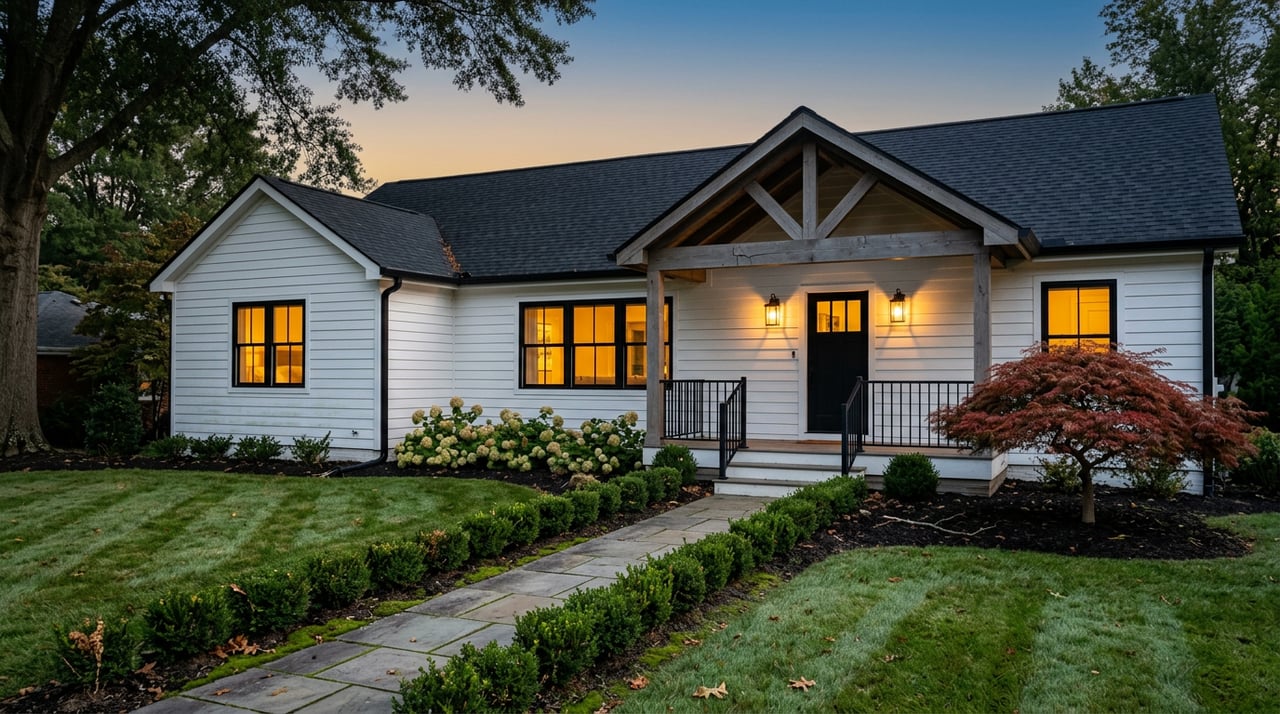
Parts of Arlington Ridge, Lyon Village, Cherrydale, Glencarlyn, and areas in both north and south Arlington lean more residential. Expect tree-lined streets, more detached homes, and a calmer pace while staying near urban conveniences. If you want yard space and a quieter setting, these neighborhoods align with that goal.
Mixed village-style areas
Columbia Pike and Shirlington offer a mix of low- to mid-rise housing, independent shops and restaurants, and a slightly more affordable alternative to Metro-adjacent corridors. Columbia Pike, in particular, is a long, diverse commercial street with many small businesses and multifamily options.
Housing types and trade-offs
Arlington’s housing stock covers a full spectrum. Understanding the trade-offs helps you narrow your search.
- Condos and apartments: Concentrated near Metro stations and commercial corridors. You get convenience and lower maintenance but often pay meaningful HOA or condo fees and have less private outdoor space.
- Townhouses: A middle ground that offers some outdoor space with less maintenance than a detached home. Townhomes commonly sit in transitional areas between the busiest corridors and quieter streets.
- Single-family homes: More common in interior neighborhoods and less common right by transit hubs. Prices are usually higher, and property taxes scale with value, but you gain privacy and yard space.
- Core trade-offs to weigh: Proximity to transit versus private space, HOA or condo fees versus home maintenance, and older inventory versus new infill and redevelopment.
Getting around
Transportation in Arlington is a strong point, especially if you live near rail or major bus lines.
Metro and buses
Metrorail and Metrobus serve multiple stations and routes throughout the county, and Arlington Transit (ART) supplements service locally. Many residents rely on frequent transit for commutes into DC or within Arlington.
Biking and trails
Arlington invests in bike infrastructure, trails, and micro-mobility. Capital Bikeshare, dockless scooters and bikes, and extensive bike lanes connect to regional routes, including the Mount Vernon Trail along the Potomac.
Driving and parking
If you drive, major routes include I-66, I-395 and I-95, and the George Washington Memorial Parkway. Peak-hour traffic can be slow. Parking varies by neighborhood, with structured garage options in dense areas and a mix of resident permits and limited street parking in others.
Airports and regional access
Reagan National Airport is nearby and easy to reach via road or Metro. Dulles and BWI are farther but accessible by road and regional transit connections.
Daily life and amenities
You will find a mix of parks, programs, dining, and services that support varied lifestyles.
Parks and outdoor recreation
Arlington maintains a robust network of parks, playgrounds, and community centers. Favorites include Long Bridge Park and Gravelly Point for Potomac views and plane spotting, plus access to regional trails like the Mount Vernon Trail. Outdoor classes, athletic fields, and connections into DC and Alexandria make it easy to stay active.
Dining and shopping
Dining is diverse. Clarendon and Rosslyn offer high-end options and lively bars. Columbia Pike features international and neighborhood eateries. You will also find craft breweries and casual spots across the county. For shopping and entertainment, Ballston Quarter, Clarendon, and Pentagon City provide a range of stores and gyms.
Schools and services
Arlington Public Schools are generally well regarded, and there are private and parochial options. The county offers recreation programs, library branches, youth activities, and community events that serve a range of ages and interests. Be sure to review specific school boundaries and programs for your address.
Health care and support
You have easy access to major regional hospitals and health systems, along with local clinics and providers. The area’s large employers and federal institutions contribute to a strong network of services and resources.
Costs, taxes, and planning
Understanding the financial context will help you plan confidently.
Cost of living realities
Arlington’s cost of living is higher than the national average, driven by home prices and rent, plus elevated regional service and goods costs. Near transit hubs, competition for well-located homes and rentals can be strong, and condos may carry higher monthly fees.
Taxes and local government
Virginia has a state income tax. Arlington County manages property taxes that fund local services, and Virginia also levies vehicle personal property taxes. If you plan to buy, include property taxes and any local assessments in your affordability review.
Safety and public services
Arlington reports lower violent crime rates than national averages and benefits from active county services and emergency response. In busier transit and visitor areas, stay mindful of common urban issues like petty theft or property crime.
Development and outlook
Arlington’s long-term plan prioritizes growth along transit corridors while preserving interior single-family neighborhoods. The National Landing area, which includes Crystal City and Pentagon City, continues to evolve with new office, residential, and infrastructure projects influenced by recent major employer investments. The county’s work on affordable housing, transportation upgrades, and climate-resilient infrastructure will shape future livability and costs.
Is Arlington a fit for you?
Use this quick framework to align your priorities with the right neighborhood and home type.
- If you want walkability and a short commute: Focus on Rosslyn, Courthouse, Clarendon, Ballston, Crystal City, or Pentagon City to prioritize transit and amenities. Expect higher prices and potential HOA or condo fees.
- If you want more space and a quieter street: Explore residential sections of Arlington Ridge, Lyon Village, Cherrydale, Glencarlyn, and interior neighborhoods. Budget for higher purchase prices and home maintenance.
- If you want value and local character: Consider Columbia Pike and Shirlington for a mix of housing and independent businesses with strong bus access.
- If you want flexibility: Look at townhomes in transitional zones for a balance of space and maintenance.
Buying or renting in Arlington involves trade-offs. A clear plan for location, home type, and budget will help you act decisively in a competitive market.
Ready to map neighborhoods to your lifestyle, understand HOA documents, or compare commute options in real time? Connect with a local advisor who blends legal-minded guidance with neighborhood insight. Reach out to Dawn Wilson Real Estate Professional to schedule a consultation.
FAQs
Do you need a car to live in Arlington?
- It depends on where you live and work. Near Metro stations and major bus routes, many residents go car-light or car-free. If your commute is outside transit corridors, a car can be helpful.
How walkable is Arlington for daily errands?
- Several areas, including Clarendon, Ballston, Rosslyn, Crystal City, Pentagon City, and parts of Columbia Pike, are highly walkable, while interior neighborhoods are more residential.
What should you know about schools in Arlington?
- Arlington Public Schools are generally well regarded. Always confirm school boundaries, special programs, and placements for specific addresses.
Where can you find relatively affordable options?
- More budget-friendly rentals and homes are often farther from Metro corridors, such as along Columbia Pike or in older buildings and smaller units, though affordability is relative in this market.
What is the commute into DC like from Arlington?
- Many residents use Metrorail, Metrobus, or bike routes for efficient access. Driving is common but can be slow at peak times, and parking may be limited or expensive.
What is National Landing and why does it matter?
- National Landing covers Crystal City and Pentagon City and continues to see redevelopment tied to major employers. Expect new housing, retail, and infrastructure that can expand local options over time.