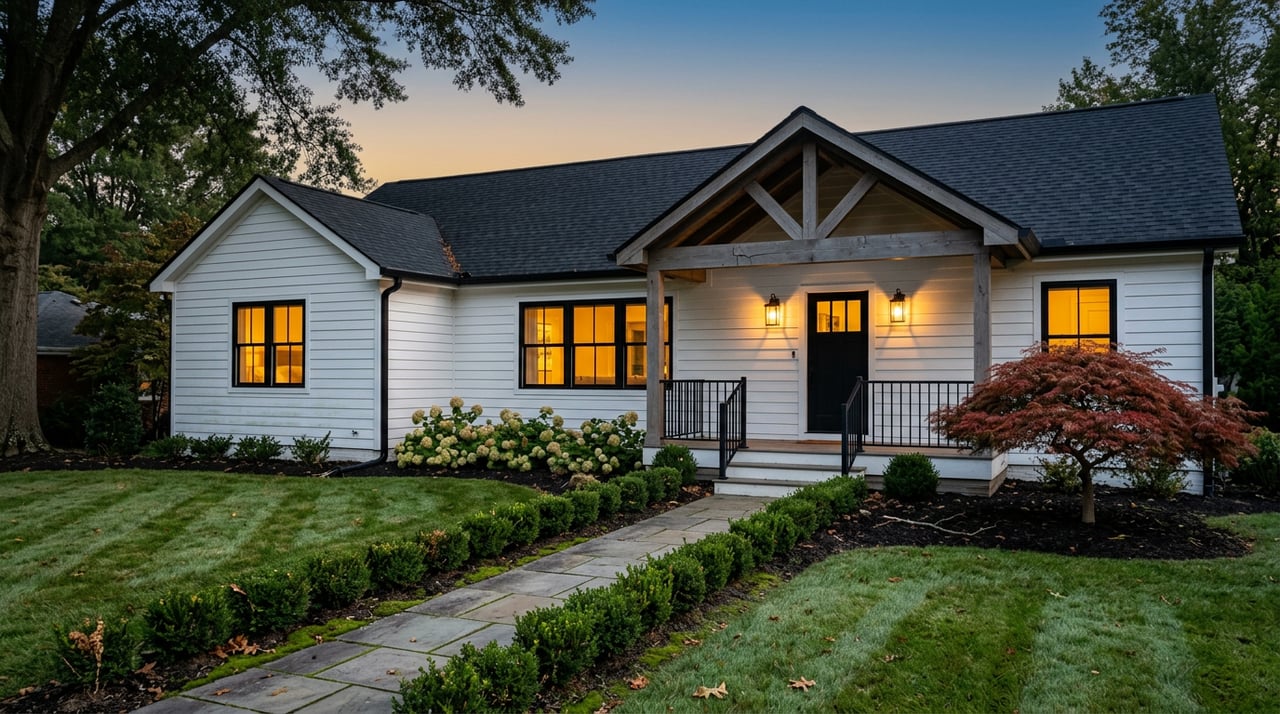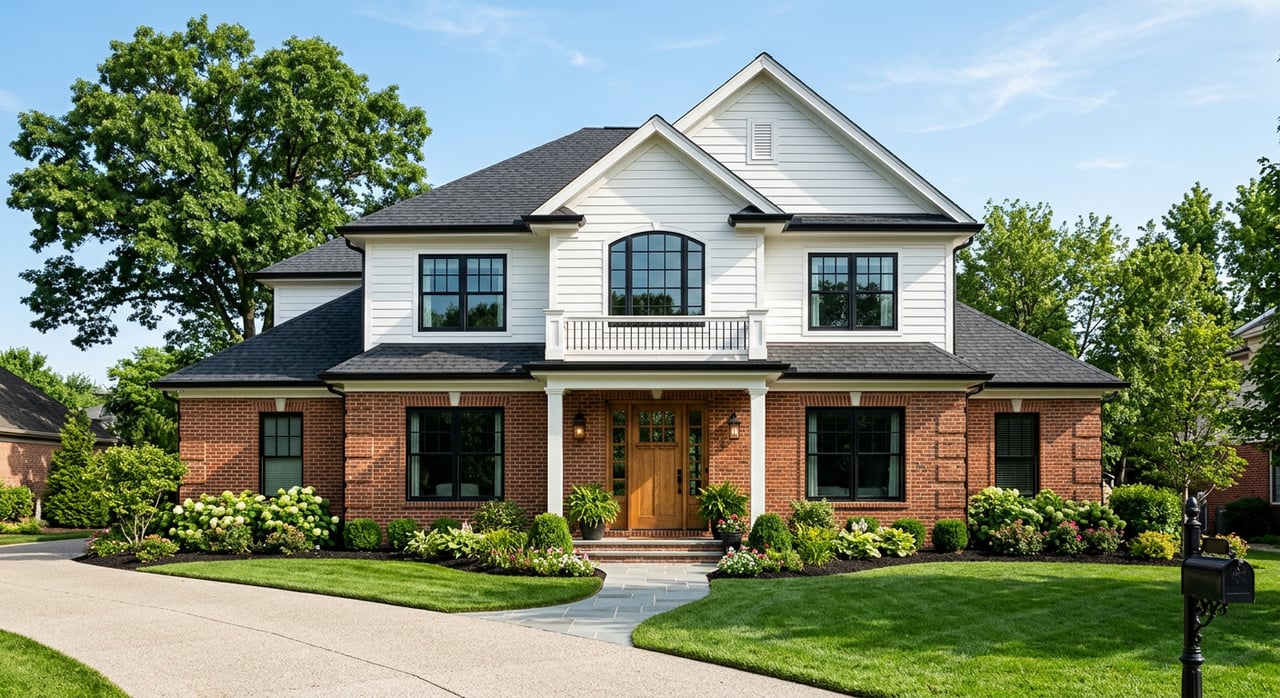
If you’re eyeing a single-family move in Falls Church City, you’ve likely noticed prices feel different here. This tiny, in-demand market behaves unlike larger neighbors, and month-to-month numbers can look noisy if you don’t know how to read them. In a few minutes, you’ll see what current prices, inventory, and pace really suggest, and how to use that insight to buy or sell with confidence. Let’s dive in.
Falls Church at a glance
- Citywide median price: $780,000 (all home types, Realtor.com, Dec 2025) per Realtor.com’s Falls Church snapshot.
- Single-family median price: About $1,035,000 (12-month view, Homes.com city guide) per the Homes.com Falls Church guide.
- Median days on market: 66 days (Realtor.com, Dec 2025) on the Realtor.com market overview.
- Active listings: ~251, up roughly 56% year over year (Realtor.com, Dec 2025) per the same Realtor.com snapshot.
- Months of supply: About 2.2 (Homes.com city guide) on the Homes.com page.
Small market alert: a handful of monthly closings can swing the median sharply. For example, Redfin’s January 2026 snapshot shows a much lower monthly median and longer days on market, underscoring the need for rolling 3–12 month views in Falls Church. See the Redfin market page for that illustration.
Why single-family costs more
- Tiny land area and limited supply. Falls Church City is roughly 2.2 square miles, which caps inventory and supports pricing for scarce single-family lots. See the city’s media kit for context on scale and planning background via the City of Falls Church media materials.
- Schools are a known draw. The city school system is widely cited in buyer research as a key factor driving premium demand. Review neutral, third-party context using the Niche district profile.
- Walkable pockets and local retail. Broad Street and downtown areas offer high walkability in parts of the city, which many single-family buyers value. Check area scores on Walk Score’s Falls Church page.
- Transit and commute access. Proximity to East and West Falls Church Metro, I-66, and the Beltway consistently shows up in buyer priorities. The Homes.com guide outlines neighborhood context and price bands by home size.
Pace and inventory right now
Realtor.com’s December 2025 snapshot shows a median 66 days on market and a sale-to-list ratio near 99%, which reads as more balanced than the peak frenzy years. Active listings rose to about 251 in that snapshot, giving buyers more choice than during the tightest months. Homes.com reports roughly 2.2 months of supply, reinforcing a market that still favors well-prepared listings but offers room for negotiation on dated or over-priced homes. Keep in mind that sources vary because timeframes and geographies differ.
Monthly numbers can whipsaw in a small city. Redfin’s January 2026 snapshot, for instance, showed a low monthly median and much longer days on market, a reminder to focus on rolling 12-month medians or multi-source ranges for single-family reads. Practically speaking, turnkey homes under roughly $1.2 million can still draw competition, while unique or higher-priced properties may see longer exposure and more price dialogue.
How it compares nearby
- Arlington County: Median home price around $613,750 with a median 68 days on market in the December 2025 snapshot, per Realtor.com’s Arlington County page. The housing mix leans heavily to condos and townhomes, which shapes price bands differently than Falls Church’s single-family tilt.
- Fairfax County: Median home price around $740,000 with a median 55 days on market in the county’s December 2025 snapshot, per Realtor.com’s Fairfax County overview. Larger size and submarket diversity mean wide variation across neighborhoods.
Bottom line: Falls Church single-family homes sit at a premium to those county medians, driven by scarce land, school-zone demand, walkable pockets, and micro-market dynamics. When comparing, use city-limits data and single-family-only measures rather than broader ZIP codes.
Guidance for buyers
- Use rolling data, not one-month medians. Because a few closings can skew monthly results, lean on 12-month views and cross-check sources. The Redfin snapshot shows why short-term swings can mislead.
- Be ready for well-priced, turnkey homes. Homes under about $1.2 million in good condition can still move quickly. Have pre-approval in hand and a plan for decisive, clean offers when the fit is right.
- Consider renovation candidates. If you value lot, location, or school boundary over immediate finishes, targeted improvements can unlock value. Sellers of dated homes may be more negotiable in a balanced snapshot.
- Widen the map if needed. If budget is tight, evaluate adjacent Arlington or Fairfax neighborhoods and compare ZIP-level medians on Realtor.com. Confirm whether a figure reflects city limits or larger ZIP areas.
Guidance for sellers
- Price with precision. Rising inventory and balanced pace mean buyers have options. Start with single-family, city-limits comps and set a price that leads, not lags, the market using rolling data from sources like Realtor.com and the Homes.com guide.
- Lead with what buyers value. Highlight school boundary confirmation, walkability to downtown spots, transit access, and lot attributes. Professional photography and thoughtful staging can close the gap on days-on-market.
- Expect varied timelines by price band. Turnkey homes in the core $900k–$1.2M range can still see strong interest. Higher-end or highly specific properties often require more time and targeted outreach.
- Prepare for negotiation. Realtor.com’s sale-to-list near 99% suggests deals are happening close to ask when pricing is right. Overpricing tends to lengthen marketing time and reduce leverage.
Data notes and sources
- Small sample size effects. Falls Church is about 2.2 square miles, so a few closings can move medians sharply. See the city’s media kit and Redfin’s January 2026 month as a volatility example on the Redfin market page.
- Mind the map. Public portals may report by city limits or by ZIPs like 22046, 22042, or 22044, which include areas outside the independent city. The Realtor.com overview breaks out ZIP-level medians to show variation.
- Regional context. NVAR’s regional reports, derived from Bright MLS, show inventory and months-of-supply rose through spring 2025, aligning with the more balanced snapshot in late 2025. Review the NVAR market release for that trend.
The bottom line
Single-family homes in Falls Church City typically trade near the million-dollar mark, and recent snapshots show more inventory and a steadier, more balanced pace than the peak years. If you’re buying, act fast on well-priced listings and consider renovation opportunities for leverage. If you’re selling, price to the market, spotlight school boundary and location strengths, and bring premium presentation to stand out.
When you’re ready to plan your move, connect with a local advisor who pairs legal-minded negotiation with neighborhood-level insight. Reach out to Dawn Wilson Real Estate Professional to schedule a consultation or request a valuation.
FAQs
What is today’s single-family median price in Falls Church City?
- Homes.com’s 12-month view shows about $1,035,000 for single-family homes, while Realtor.com’s December 2025 citywide median across all home types is $780,000; use rolling, single-family-only figures to compare segments.
Why do sources show different medians and days on market for Falls Church?
- Falls Church is small, so a few monthly closings can swing numbers; publishers also use different timeframes and geographies, which is why a 12-month, city-limits view is more reliable for single-family trends.
Is inventory really up, and what does that mean for me?
- Realtor.com’s December 2025 snapshot shows about 251 active listings, up roughly 56% year over year, which generally gives buyers more choice and nudges sellers to price and present listings more carefully.
How does Falls Church compare with Arlington and Fairfax?
- Falls Church single-family homes sit at a premium to county medians; Arlington’s countywide median is about $613,750 and Fairfax’s is about $740,000 in December 2025, reflecting different housing mixes and scales.
What should buyers do in a balanced Falls Church market?
- Get pre-approved, watch rolling 12-month data, move quickly on well-priced homes under roughly $1.2 million, and consider renovation candidates where sellers may be more negotiable.
What should sellers focus on to win?
- Price with current single-family comps, highlight location, school boundary, and commute benefits, and invest in strong marketing so you capture near-ask outcomes in a market showing roughly 99% sale-to-list.