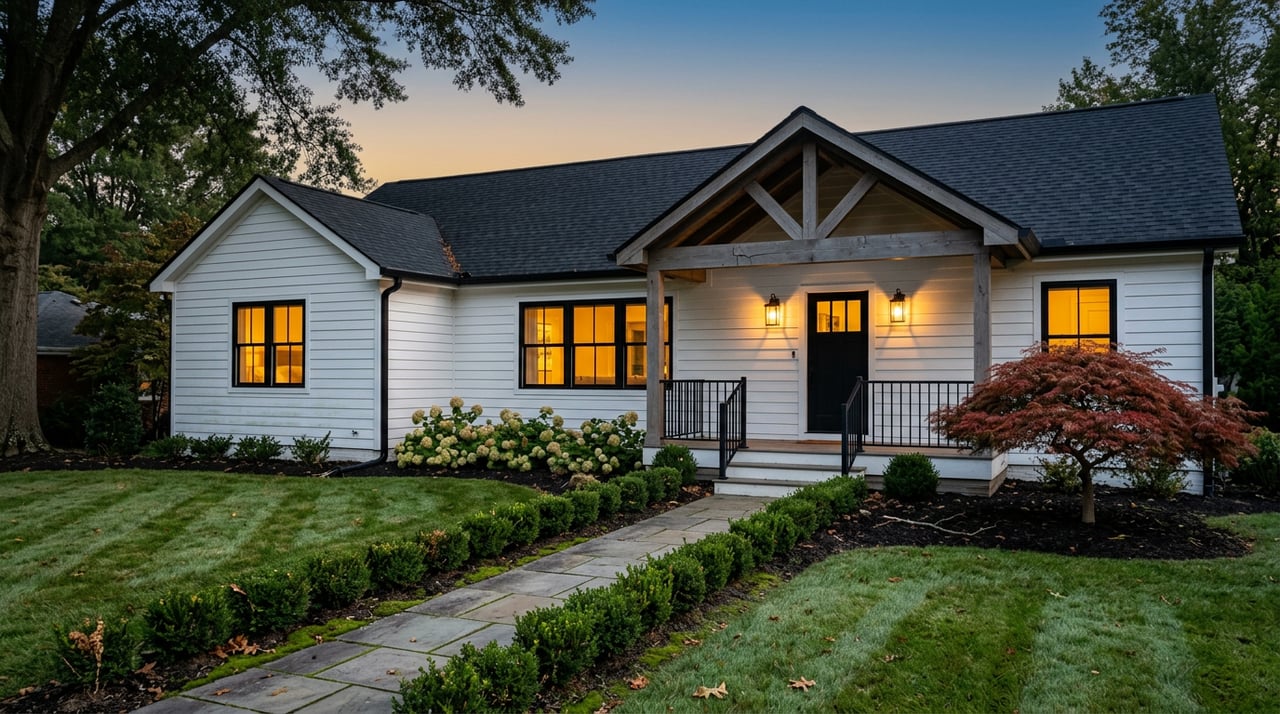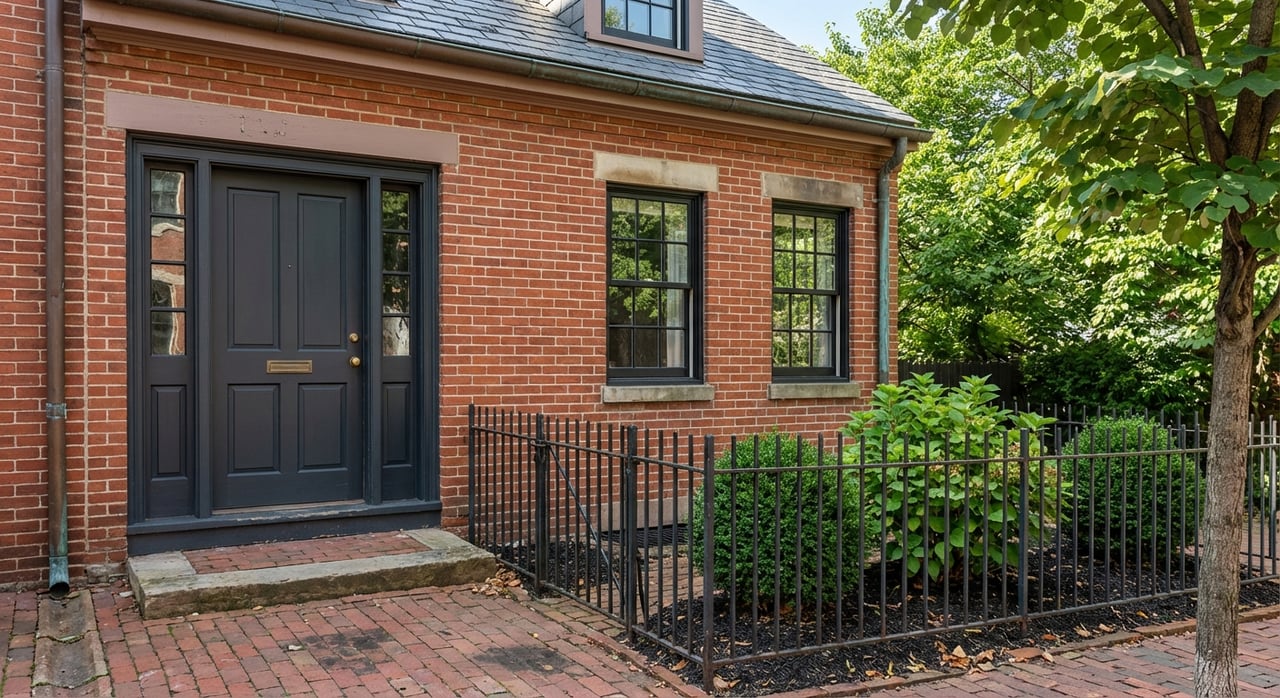
Falling for Old Town’s brick sidewalks, gas lamps, and centuries-old facades is easy. Figuring out how to buy a historic home without surprises is the real challenge. You want character, but you also want a clear plan for inspections, permits, and smart upgrades that respect the past. In this guide, you’ll learn how Old Town’s rules work, what to look for during inspections, which renovations get smoother approvals, and how to use financing and incentives to your advantage. Let’s dive in.
Old Town’s historic status, in plain English
Old Town sits within the Old & Historic Alexandria District, a locally regulated area that protects the neighborhood’s historic character. The City’s Board of Architectural Review, or BAR, oversees exterior changes on properties in this district and on designated One-Hundred-Year-Old Buildings visible from public ways. To confirm a home’s status and whether BAR review applies, start with the City’s overview of the Old & Historic Alexandria District and related rules. You can find district details and contacts on the City’s historic preservation pages, including the BAR’s scope of review and submittal process.
- Learn how Old Town’s local designation works and when BAR review applies by visiting the City’s summary of the Old & Historic Alexandria District and One-Hundred-Year-Old Buildings. The City provides guidance on boundaries and review triggers in the same resource. Explore the City’s district overview.
- For design guidelines, permit paths, and the Certificate of Appropriateness process, see the City’s preservation portal. It outlines administrative approvals versus full BAR hearings, application steps, and schedules. Review BAR process and guidelines.
The key takeaway is simple: interior work is generally outside BAR’s jurisdiction, but most exterior changes visible from a public way will need approval. Plan your purchase and renovation timeline accordingly.
Architecture you’ll see on the block
Old Town’s streets showcase over two centuries of architecture. You’ll find Georgian and Federal brick townhouses, Greek Revival and Italianate facades, Victorian and Queen Anne details, and later 19th-century frame and masonry buildings. Materials like historic brick with lime mortar, wood sash windows, slate or standing-seam metal roofs, and decorative cornices appear often.
- For a deeper local history and examples of period architecture, the City offers a digestible timeline and context for Alexandria’s development. Read about Alexandria’s architectural history.
- The Virginia Department of Historic Resources maintains detailed records of listed properties and blocks. These resources can help you understand what features are considered significant. See a sample listing on the Virginia register.
Knowing the materials and details common to your target home will help you plan realistic inspections, budgets, and BAR-friendly improvements.
What the BAR reviews and why it matters
If the home falls within the locally regulated district, exterior work often requires a Certificate of Appropriateness. That includes items like visible rooftop additions, new or altered porches, changes to doors and windows, fences, and some exterior utilities. The City’s design guidelines favor repairing historic materials and replacing only when necessary with compatible materials.
- Full BAR hearings follow a posted schedule with deadlines for complete submissions. Plan a minimum of about 30 days for hearing-based approvals. Administrative approvals for small-scope items are faster.
- Demolition or “capsulation” of more than 25 square feet triggers a separate BAR review and a Permit to Demolish, regardless of visibility. Do not assume you can remove or replace major exterior elements without prior approval. Confirm thresholds and review steps.
- For applications, plan sets, and guidance chapters on windows, roofing, masonry, chimneys, solar, and more, use the City’s preservation portal. Access BAR guidelines and applications.
The practical implication for you: if your dream project includes exterior changes, build BAR timing into your offer strategy and closing-to-construction plan.
Inspections that protect your budget
Older Old Town homes look solid, but small issues can be costly if you miss them upfront. Make these items part of your inspection contingency and plan follow-ups when flagged by the general inspector:
- Structure and foundation. Look for settlement, sloping floors, and masonry cracks. Many homes sit on older brick or stone foundations with short basements or crawlspaces.
- Masonry and mortar. Historic brick usually needs lime-based mortar, not modern Portland cement. Ask about prior repointing and brick condition.
- Roofs and flashing. Slate, standing-seam metal, and composition shingles appear in Old Town. Focus on flashing at chimneys and cornices.
- Chimneys and flues. Check for masonry deterioration and water intrusion. Confirm flue integrity and whether liners are needed.
- Windows and doors. Historic wood sash, transoms, and shutters are character-defining. Look for rot, failed glazing, sash cords, and hardware issues. Storm windows can improve comfort without full replacement.
- Electrical. Ask about knob-and-tube or early aluminum wiring and panel capacity. Upgrading electrical systems in older homes can be a large expense.
- Plumbing. Identify galvanized or lead supply lines and cast-iron soil stacks. Inspect for leaks and corrosion.
- HVAC, insulation, and humidity control. Plan for modernizing older systems and addressing ventilation, especially in tight rowhouse conditions.
- Moisture and drainage. Waterfront proximity raises the stakes. Evaluate grading, cellar dampness, sump pumps, and neighborhood flood history.
- Pests. Termite and carpenter ant inspections are routine and important.
When the general inspection flags concerns, bring in specialists such as a structural engineer, chimney and masonry pros, licensed electricians and plumbers, and a preservation-minded roofer or window restorer. This added due diligence protects you from post-close surprises.
Renovating the right way in a historic district
Your project will go smoother when you align early with preservation guidance. The big idea is to repair and retain historic fabric when feasible, and when replacement is needed, use compatible materials and profiles.
- Follow the National Park Service’s practical Preservation Briefs for energy upgrades, wood window repair, masonry care, roofing, and moisture control. These are the gold standard for preserving character while improving performance. Explore NPS Preservation Briefs and guidance.
- For energy improvements, start with reversible changes like weather-stripping, storm windows, and attic insulation. These often deliver strong returns without altering historic materials.
- Plan for potential lead-based paint in pre-1978 homes. Contractors who disturb painted surfaces must use lead-safe practices under the EPA’s Renovation, Repair and Painting rule. Ask for proof of EPA certification and budget for proper containment and cleanup. Review the EPA RRP program.
- If you suspect asbestos in older mechanicals or insulation, schedule testing and consult licensed abatement professionals before demolition.
For complex scopes or additions, consider hiring an architect experienced with the BAR. A team that knows Old Town’s materials, detailing, and submittal standards can save months.
Financing and incentives you should know
Historic homes often need targeted upgrades. The right financing and incentives can offset costs and keep cash flow predictable.
- Virginia Historic Rehabilitation Tax Credit. Virginia offers a state credit that can reimburse 25 percent of eligible rehabilitation expenses. Unlike the federal credit, Virginia’s program covers qualifying owner-occupied homes as well as income-producing properties, subject to defined thresholds. Certification follows the Secretary of the Interior’s Standards. Understand Virginia’s tax credit program.
- Federal Historic Rehabilitation Tax Credit. The federal 20 percent credit generally applies to income-producing certified historic structures, not owner-occupied primary residences. Projects in Old Town sometimes stack the state and federal credits when eligible. Review program basics with DHR.
- Renovation mortgages. Fannie Mae’s HomeStyle Renovation loan lets you roll purchase and improvement costs into one mortgage with draws as work progresses. Many buyers use this to modernize systems or address masonry, roofing, or window work right after closing. See Fannie Mae’s HomeStyle overview.
- FHA 203(k). FHA’s 203(k) program also combines purchase and rehab into a single loan. Ask lenders about standard versus limited 203(k) requirements and whether a HUD consultant is needed.
Talk with a lender who understands historic homes, BAR timelines, and tax credit timing. If you plan to seek credits, involve the Virginia Department of Historic Resources early so your scope and documentation align with certification standards.
Disclosures, permits, and timing in Virginia
In Virginia, sellers provide a residential property disclosure notice that includes specific affirmative disclosures for certain conditions like flood or repetitive loss, stormwater facilities, and pending code violations. You should request disclosures early and keep your inspection and termination timelines front of mind. The Commonwealth publishes consumer resources explaining key rights and timing rules. Read Virginia’s residential disclosure information.
For exterior work in Old Town, sketch out your permitting path before closing:
- BAR lead time. Plan about 30 days or more for full BAR hearings, plus application preparation. Some small items can be approved administratively at staff level. Check the City’s preservation portal for timing.
- Demolition review. Any demolition or capsulation over 25 square feet requires a Permit to Demolish and BAR review. Confirm demolition thresholds.
Coordinating your lender draws, tax credit submittals, and BAR approvals on a single timeline reduces stress and change orders.
A smart buyer checklist for Old Town
Use this quick reference to move from interest to confident purchase.
Pre-offer
- Confirm whether the address is in the locally regulated Old & Historic Alexandria District or only on the National Register. Start with the City’s district overview.
- Ask for records of past BAR approvals or Certificates of Appropriateness, if any. See BAR guidance and contacts.
- Review flood risk and local drainage patterns, especially near the waterfront. Use FEMA and City resources and ask your insurer for quotes that reflect the property’s specifics.
Post-offer, during contingencies
- Schedule a comprehensive home inspection, plus targeted follow-ups as needed: structural engineer, chimney and masonry expert, licensed electrician and plumber, pest inspector, and testing for lead paint or suspected asbestos. Review EPA RRP basics.
- Confirm BAR requirements for your intended work. Decide whether items qualify for administrative approval or require a full hearing. Check the City’s BAR process.
- Line up renovation financing and prepare preliminary scopes for lender underwriting. Explore HomeStyle Renovation.
- If pursuing historic tax credits, contact DHR and begin the application process early so your plans meet the Secretary of the Interior’s Standards. Learn how Virginia’s credits are certified.
Work with a preservation-savvy team
Buying a historic home in Old Town is rewarding when you plan with care. The neighborhood’s protections help preserve charm and long-term value, but they add steps you want to anticipate. With the right inspection strategy, BAR-aligned design, and a financing plan that leverages incentives, you can enjoy history without inheriting preventable headaches.
If you are weighing a specific address or want a second set of eyes on your plan, we can help you vet risks, map approvals, and connect you with trusted specialists. Reach out to Dawn Wilson Real Estate Professional to start a focused conversation about your Old Town search.
FAQs
What does it mean if a home is in Old Town’s local historic district?
- Homes in the locally designated Old & Historic Alexandria District are subject to BAR review for exterior changes visible from public ways. Interior work typically does not require BAR approval. You can confirm district details on the City’s preservation pages.
Can I replace historic windows in Old Town?
- Window changes visible from the street usually require BAR approval. The City’s guidelines favor repairing historic wood sash and using compatible storm windows before full replacement. For planning, consult the City’s design guidance and the NPS Preservation Briefs.
Do historic tax credits apply to my primary residence in Virginia?
- Virginia’s Historic Rehabilitation Tax Credit can reimburse 25 percent of eligible expenses and includes owner-occupied homes that meet program thresholds. The federal 20 percent credit applies to income-producing properties. Contact DHR early to confirm eligibility.
How long do BAR approvals take in Alexandria?
- Administrative approvals for small items can be quick, but full BAR hearings follow a public schedule. Plan at least 30 days from complete submittal to hearing, plus time for drawings and revisions if needed.
What inspections are must-haves for an Old Town townhouse?
- In addition to a full home inspection, prioritize structure and foundations, masonry and mortar, roofs and flashing, chimneys, electrical and plumbing systems, moisture and drainage, and a pest inspection. Follow up with specialists as your inspector recommends.