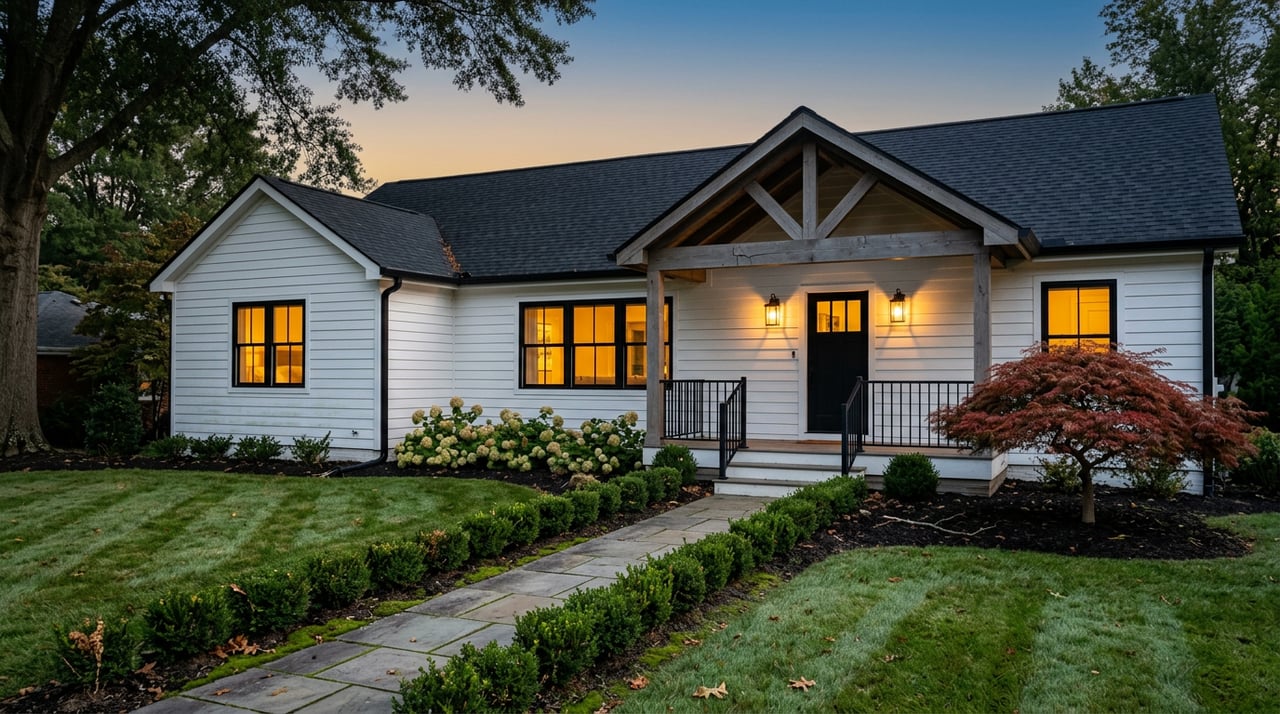
You never get a second chance at a first impression, especially in Arlington where buyers start online and decide within seconds if a home is worth a visit. If you are thinking about selling, you want a plan that attracts strong offers, protects your time and minimizes risk. In this guide, you will see exactly how top Arlington listing agents prepare homes for market, from pricing and staging to disclosures and timelines, so you know what to expect and how to get ready. Let’s dive in.
Arlington market context and prep priorities
Arlington sits close to D.C., with dense, transit-served corridors like Rosslyn–Ballston, Clarendon and Crystal City that shape what buyers expect. Many shoppers value walkability, transit access and move-in readiness, which raises the stakes for curb appeal, listing photos and smart staging. Research on transit-oriented neighborhoods highlights how access and convenience drive buyer behavior, which you can use to your advantage in marketing and presentation. You can learn more about that dynamic in this overview of transit and land use patterns from the National Academies of Sciences on how transit access shapes neighborhood demand.
Because Arlington’s micro-markets move at different speeds by price band and property type, agents tailor preparation for condos versus townhomes versus single-family homes. The core plan stays the same: price to market, handle targeted repairs, stage for your likely buyer, and present the home with clear, compelling media. This disciplined approach is designed to shorten your days on market and protect your negotiating power.
The step-by-step plan your agent follows
1) Evaluation and pricing prep
Your agent starts with a Comparative Market Analysis that looks at very recent sales and active competition in your immediate area. This CMA informs the recommended list price, expected marketing window and which improvements are worth doing. Local MLS data and NVAR forms guide how pricing and contract options are structured, and your agent will explain the tradeoffs in plain English using neighborhood-level comps and current inventory.
Next comes a pre-list strategy meeting. You will walk the property together, document condition, and decide which items to repair now, disclose up front, or sell as-is. You will also confirm a timeline for staging, photography and launch so every vendor is working toward the same date. Expect a written pre-list checklist with realistic cost and time estimates for each task.
2) Pre-listing inspection and targeted repairs
An optional pre-listing home inspection can be a smart move, especially for older homes or properties with past renovations. A seller-paid inspection helps surface material issues on your timetable, reducing surprises and renegotiations after a buyer’s inspection. Typical fees for a general inspection range around a few hundred dollars, often in the 300 to 700 dollar range, with add-ons like radon or termite extra. Learn more about the benefits in this overview of pre-listing inspections and how they reduce risk.
Based on results, your agent will recommend one of three paths. You can make high-ROI repairs before listing, obtain estimates to present to buyers, or disclose defects and adjust pricing expectations. The goal is to eliminate deal-killers early and present a transparent, confidence-building package to buyers.
3) Staging, decluttering and curb appeal
Staging is one of the highest-impact steps. In national survey data, agents report that staging often reduces time on market and, in many cases, increases the dollar value of offers. About 29 percent of agents cited a 1 to 10 percent value lift, and roughly half observed faster sales for staged homes. You can review those findings in the National Association of REALTORS staging impact summary.
Budgets vary. Agent-led decluttering and light styling may cost little more than time and a few supplies. Professional staging commonly starts around a median of roughly 1,500 dollars and scales with scope and property size. If the home is vacant, virtual staging is a lower-cost option to help buyers visualize how rooms live. For curb appeal, small investments in power washing, mulch, trimmed hedges and a freshly painted front door can deliver outsized returns without a major spend.
4) Professional media and marketing assets
Buyers search online first, and photos are the single most valuable website feature in their home search. That insight comes up year after year in the National Association of REALTORS buyer and seller profile research. Your agent will schedule professional photography, and for higher-end or remote-buyer appeal, may add a floor plan and a 3D or virtual tour. Short neighborhood clips and social video can also help showcase transit access and nearby amenities.
The order matters. Finish staging before media day, then capture interior, exterior and lifestyle shots that tell a clear story. Most photographers deliver final images within a few days, so build in a small buffer before your live date.
5) Final clean and showing plan
Before photos and showings, your agent will coordinate a deep clean, small paint and floor touch-ups, and secure removal of personal items and valuables. You will receive a show-ready checklist to keep the home light, fresh and easy to tour. Together you will choose showing instructions and open house timing suited to your price point and neighborhood.
Pricing strategy that works in Arlington
Your pricing choice sets the tone for everything that follows. Agents typically recommend pricing in line with current comps and active competition. Overpricing tends to extend your days on market and can force later reductions. Pricing to market from day one often leads to more showings, stronger first-week interest and closer sale-to-list ratios.
Tactically, you have three common options. You can list at market price to encourage multiple offers. In select cases, you can strategically underprice to create a bidding environment. Or, if your property has rare features with documented buyer demand, you can list at a premium with an evidence-based case. Your agent will document the logic in your listing plan so you are aligned on expectations.
Marketing channels that reach DC-area buyers
A full-service package typically includes MLS entry and syndication to the major consumer portals, polished photography, a strong property description and floor plan, social distribution, and email to local agent networks. For select homes, agents add a dedicated property page, short video, broker opens and neighborhood mailers. The lead asset is always great photography, backed by a floor plan and, when useful, a 3D tour that helps remote buyers and reduces low-quality showings.
Rules and documents that protect your sale
Required property disclosures in Virginia
Virginia requires delivery of the Residential Property Disclosure Statement before ratification. The Virginia Department of Professional and Occupational Regulation provides the official disclosure forms and guidance. While Virginia has a comparatively buyer-beware framework, the statute still mandates specific written disclosures. You can review the full text of the Virginia Residential Property Disclosure Act. Your agent will brief you on timing and content so you meet the requirements and avoid unnecessary risk.
Condo and HOA resale packets
If you are selling in a condominium or planned community, the Virginia Resale Disclosure Act governs what must be ordered and delivered to the buyer and when. Buyers have statutory cancellation windows after receipt, so it is critical to order the resale packet early and plan for the review period. See NVAR’s practical explainer on the Virginia Resale Disclosure Act and buyer rescission timelines.
Coming Soon and Clear Cooperation
Bright MLS, which serves Northern Virginia, enforces Clear Cooperation rules. If a property is publicly marketed, it generally must be submitted to the MLS within a short timeframe. Bright also allows a Coming Soon status with specific showing and advertising restrictions. Get a quick overview of Bright’s tech and policy framework in this Bright MLS resource hub, and see local commentary on when short Coming Soon windows can make sense while final prep is underway in this Arlington-focused discussion of recent policy changes. In most cases, full MLS exposure is the best path unless you have privacy or safety needs.
Common contingencies and timing
Your contract will likely include contingencies such as inspection, financing, appraisal, title review and, for condos or HOAs, resale packet review. Your agent will negotiate clear deadlines, help you prepare documentation that supports value for the appraiser, and keep the process on schedule. The aim is to preserve momentum while allowing fair time for due diligence.
Closing costs and taxes for sellers
In Virginia, sellers typically pay the grantor’s tax at closing and buyers typically pay recordation taxes. Northern Virginia jurisdictions may add small regional fees. For a detailed overview, see the Virginia Department of Taxation’s guidance on recordation and grantor taxes. Your settlement agent can provide a precise net sheet so you know what to expect.
Example launch timeline
- Day -21 to -14: CMA review, optional pre-list inspection, order estimates, schedule staging and photography.
- Day -14 to -7: Complete priority repairs and paint, deliver staging, deep clean.
- Day -7 to -3: Capture professional photos and optional 3D tour and floor plan, finalize marketing materials.
- Day 0: List active on MLS, launch syndication, open houses and broker preview as appropriate.
What your agent coordinates for you
A full-service listing agent manages a roster of trusted vendors so you do not have to. Typical partners include a photographer and 3D provider, stager or virtual stager, cleaner, landscaper, handyman or general contractor, licensed electrician and plumber, HVAC tech, pest and radon inspectors, and a title or settlement company. Your agent will collect quotes, schedule work and keep the timeline tight.
Virginia rules require agents to disclose any financial interest or referral compensation related to vendors. DPOR guidance is clear that undisclosed kickbacks are not allowed. If your agent provides a preferred vendor list, it should come with the appropriate disclosure and consumer-protection forms so you can choose freely and confidently.
Your first three meetings with a listing agent
- Meeting 1: Walk-through and CMA. Tour the home, discuss comps and target pricing, flag repairs and disclosures, set goals and timing.
- Meeting 2: Vendor and staging plan. Confirm budgets, book vendors, choose staging approach, and align on marketing priorities and shoot dates.
- Meeting 3: Photo and launch details. Review final styling, confirm media delivery, write listing copy, set showing instructions and open-house plan.
Ready to list your Arlington home?
A clear, legally informed plan removes stress and puts you in control. With the right preparation and presentation, you can meet Arlington buyers where they are and move with confidence toward a smooth closing. If you would like a customized pre-list checklist, vendor estimates or a data-backed pricing strategy for your home, connect with Dawn Wilson Real Estate Professional. Let’s connect — schedule a consultation or request a home valuation.
FAQs
Do I need a pre-listing inspection in Arlington?
- It is optional but recommended for older homes or those with prior renovations, since it can surface issues on your timetable and prevent costly renegotiations later. Learn more about pre-listing inspection benefits.
Will professional staging actually pay off?
- Staging often shortens time on market and can produce modest price premiums in many cases. Review the National Association of REALTORS staging findings for what agents are seeing.
How do HOA and condo resale packets work in Virginia?
- Sellers must order the resale certificate and deliver it to buyers, who then have statutory cancellation windows. Plan early to avoid delays. See NVAR’s guide on the Virginia Resale Disclosure Act.
What is a Coming Soon listing and is it right for me?
- Bright MLS allows Coming Soon with strict limits on showings and advertising, and Clear Cooperation rules require timely MLS submission once you publicly market. A short Coming Soon window can work while final prep wraps up. See Bright’s overview of policy and tools and local context in this Arlington-focused explainer.
Which closing costs do Virginia home sellers typically pay?
- Sellers usually pay the grantor’s tax, while buyers typically pay recordation taxes, with possible small regional add-ons. For specifics, review the Virginia Tax Department’s guidance on grantor and recordation taxes and ask your settlement agent for an exact estimate.