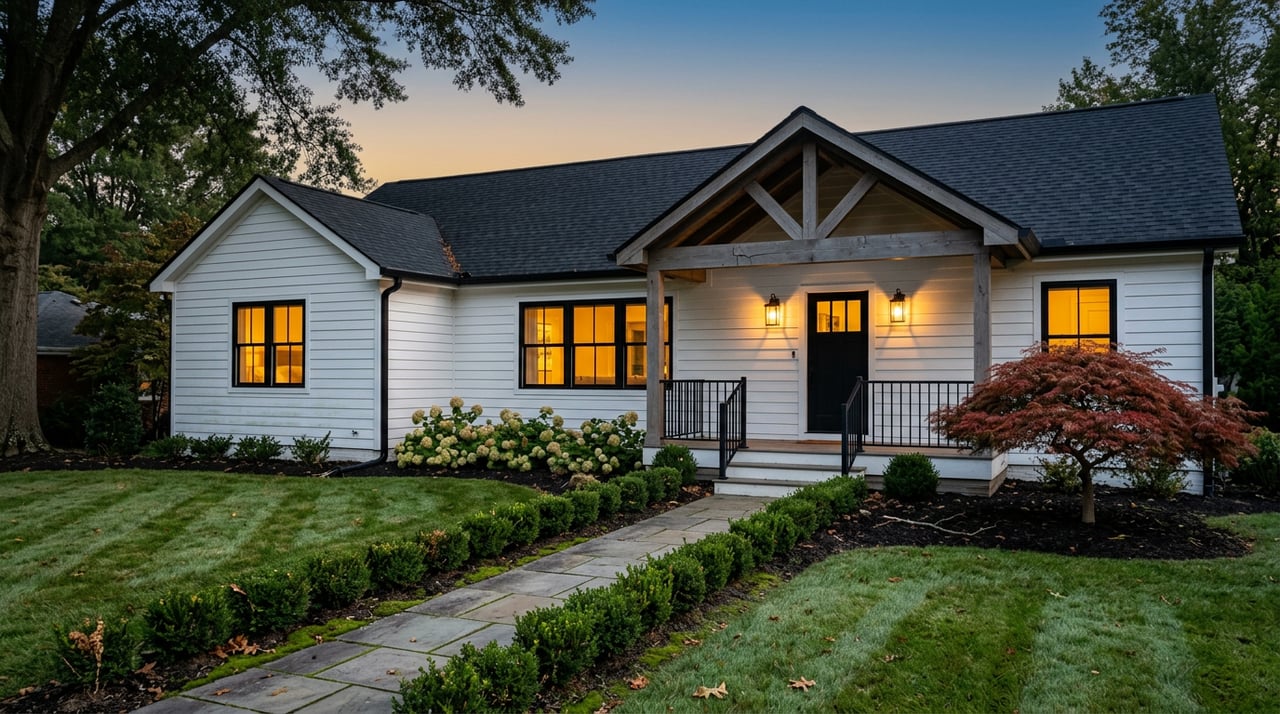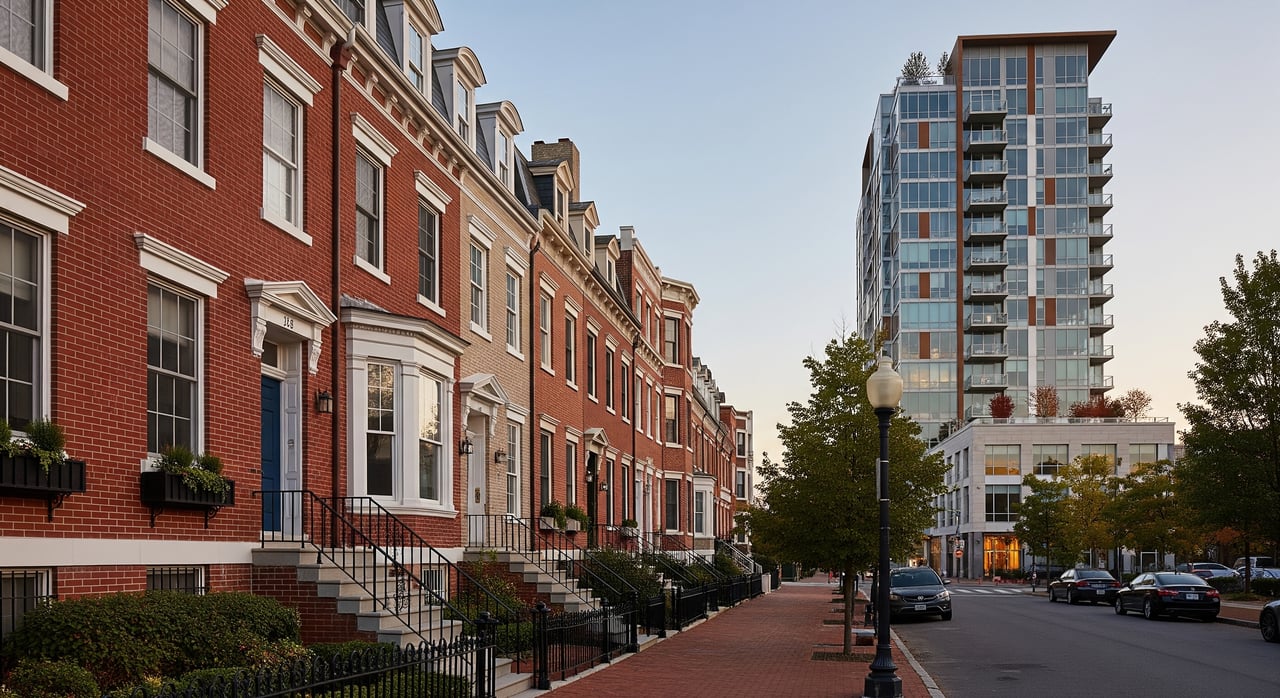
Torn between a condo and a townhome in Arlington? You are not alone. With strong demand near Metro, growing job hubs like National Landing, and a wide mix of buildings and communities, the right choice depends on how you want to live and what you want to spend each month. In this guide, you will learn how ownership, fees, maintenance, transit access, financing, and resale differ in Arlington so you can decide with confidence. Let’s dive in.
Arlington at a glance
Arlington is built around transit and job centers. You will find the highest concentration of condos in station-area neighborhoods such as Rosslyn, Courthouse, Clarendon, Ballston, and the Crystal City and Pentagon City corridor known as National Landing. Proximity to Metro, major employers, and regional bus and bike networks drives demand and can support long-term value.
Townhomes tend to cluster just beyond the densest cores. You will see more fee-simple row or townhouse options in parts of Clarendon, Lyon Village, Cherrydale, and Arlington Ridge. Some attached homes are legally condominiums, while others are fee-simple with or without an HOA, so always verify the legal structure in the governing documents.
Condo vs townhome: what you actually own
Condominiums
- Ownership typically includes your individual unit plus a shared interest in common areas.
- A condominium association manages the building, common systems, and amenities under a declaration and bylaws.
- You usually pay monthly assessments that fund operations, reserves, and services. Special assessments can occur for major projects.
- The master insurance policy covers common elements and often parts of the structure. You carry an HO-6 policy for interior finishes, personal property, and loss assessment exposure.
Townhomes
- Most townhomes are fee simple, meaning you own the land and the structure. Some attached homes are legally condo units, so do not assume. Check title and the declaration.
- If there is an HOA, it operates under covenants and rules. Fees vary based on whether the HOA covers exterior work, landscaping, or amenities.
- Owners often handle exterior maintenance, roofs, and yards, though some HOAs take on portions of this. Insurance is generally an HO-3 policy covering your structure and land.
Monthly costs: what drives the difference
Condo fees and what to ask
Condo assessments reflect the scope of services, amenities, staffing, and reserve funding. Buildings with front-desk staff, pools, and gyms near Metro usually have higher dues than low-amenity buildings. Review the budget, financial statements, recent meeting minutes, reserve study, insurance declarations, and any notices of pending special assessments.
Townhome HOA fees
Townhome fees can be lower if the HOA covers only common area upkeep. If the HOA funds exterior maintenance, snow removal, roof replacement, or shared amenities, dues may be higher. Compare what the fee covers and how well reserves are funded.
Insurance and risk
Confirm where the master policy stops and your coverage begins. In condos, understand interior coverage and loss assessment risk. In townhomes, confirm you have adequate coverage for the structure and any shared elements. Projects with deferred maintenance, litigation, or weak reserves may face higher scrutiny from lenders and insurers.
Maintenance and lifestyle tradeoffs
- Condos: Lower hands-on upkeep, building systems are professionally managed, and you avoid roof and exterior repairs. In exchange, you have higher monthly dues and less control over capital projects and timelines.
- Townhomes: More control and space, often with a private entry, garage, or patio. You accept more responsibility for exterior and long-term capital items and should budget accordingly.
Financing and resale considerations
Condos can have project-level lending rules. Some buildings may not meet agency approval standards, which can limit loan options and reduce the pool of qualified buyers. Always confirm project approval status if you plan to use FHA or certain conventional programs.
Fee-simple townhomes are typically underwritten like single-family homes, so financing is often more straightforward. On resale, buyer pools differ. Transit-proximate condos attract buyers seeking shorter commutes and low maintenance, while townhomes often draw owner-occupants wanting more space and outdoor areas. Well-managed associations with healthy reserves, clear policies, and desirable amenities support better marketability in both cases.
How to compare total monthly cost
Do not look at price alone. Compare the full carrying cost and likely maintenance.
- Principal and interest based on price and rate.
- Arlington property taxes on the assessed value for the unit or parcel.
- Monthly condo or HOA fees, including any master insurance contributions.
- Utilities that are included versus separate (water, gas, trash, internet, electricity).
- Typical maintenance, reserve contributions, or upcoming capital needs based on documents.
A simple worksheet helps you see the real difference between a high-amenity condo and a fee-simple townhome with more self-funded upkeep.
Neighborhood fits and buyer profiles
- Rosslyn and Courthouse: High-rise condos close to bridges into DC. Good fit if you value walkability and quick transit.
- Clarendon and Ballston: Mix of condos and townhomes, offering both access and space. Townhome pockets provide a balance between convenience and privacy.
- National Landing (Crystal City and Pentagon City): Strong office growth and newer condos appeal to professionals who want a short commute.
- Arlington Ridge and Lyon Village: More fee-simple townhomes and nearby single-family areas, appealing if you want more privacy and outdoor space.
Buyer types often align with place and form:
- Transit-first professional: Condo near Metro, minimal maintenance, willing to pay higher dues for services and amenities.
- Move-up buyer or remote worker: Townhome with more square footage, storage, and outdoor space, comfortable handling or funding exterior upkeep.
- Hybrid buyer: Townhouse-style living with an HOA that covers exteriors, requires careful document review to confirm responsibilities.
Due diligence checklist for Arlington buyers
Request and review these items during your study period:
- Declaration, bylaws, CC&Rs, and rules
- Operating budget and most recent financial statements
- Latest reserve study and current reserve balance
- Master insurance declarations and coverage summary
- Meeting minutes from the past 12 to 24 months
- Unit ledger showing assessments and payment status
- History of special assessments and any that are pending
- Litigation disclosures
- Parking and storage allocations and transfer rules
- Rental and pet policies
- Capital improvement plans and records of major recent repairs
- Project approval status for FHA, Fannie Mae, and Freddie Mac if applicable
What to look for at showings
Condos
- Condition of elevators, hallways, lobbies, roofs, and façades
- Evidence of water intrusion, window age, and exterior envelope condition
- HVAC maintenance schedules and elevator service records
Townhomes
- Roof, siding, gutters, grading, drainage, and foundation
- Driveway, parking, and shared wall sound transmission
- Clarity on who handles snow removal, landscaping, and exterior work
Which is right for you?
Choose a condo if you want low-maintenance living near transit and value on-site services, even if fees are higher. This can suit a lock-and-leave lifestyle and help resale if you are near Metro and job hubs.
Choose a townhome if you want more space, a private entry, and possibly a yard, and you are comfortable managing or funding exterior maintenance over time. If you want townhouse living without exterior chores, look for communities where the HOA covers exteriors and verify it in writing.
In Arlington, location can matter as much as property type. Close-in, transit-rich addresses support daily convenience and can strengthen long-term value for both condos and townhomes.
If you want help weighing documents, reserve strength, approval status, and long-term costs side by side, our team brings legal-minded, detail-first guidance to your decision.
Ready to compare specific buildings and townhome communities around Metro or near your office? Connect with Dawn Wilson Real Estate Professional for a calm, disciplined path to the right fit.
FAQs
What does a condo fee typically cover in Arlington, VA?
- Fees often fund building insurance, common area maintenance, reserves, management, and any amenities, and they may include some utilities. Always verify the budget and reserve study.
Are Arlington townhomes always fee simple?
- No. Some attached homes are legally condominiums or have HOAs that handle exteriors. Confirm title, governing documents, and maintenance allocations before you buy.
How does Metro proximity affect condo and townhome values in Arlington?
- Homes near Metro and major employers often command price premiums and attract strong buyer demand, supporting marketability for both condos and townhomes.
Can I use FHA or VA financing for Arlington condos?
- Possibly, but the condo project must meet agency approval standards. Always check building approval status early if you plan FHA or certain conventional loans.
What documents should I review before buying into an Arlington association?
- Request the declaration, bylaws or CC&Rs, financials, reserve study, insurance declarations, meeting minutes, special assessment history, litigation disclosures, and parking, storage, rental, and pet policies.